Booking options
£70


£70
Delivered In-Person
All levels
Course Description
Pain can significantly affect a person's physical health, emotional wellbeing, mobility, independence and overall quality of life. Being able to recognise and assess pain effectively is an essential part of providing safe, compassionate and person-centred care.
Our 2-hour Pain Management course is designed to provide healthcare professionals and support workers with the essential knowledge and practical understanding needed to better recognise, assess and respond to pain in the people they care for.
The course explores different types of pain, common signs and symptoms, pain assessment tools, and both pharmacological and non-pharmacological approaches to pain management. Participants will also learn to recognise important medication-related risks, monitor responses to interventions and identify when concerns should be escalated.
Through interactive discussions, practical assessment exercises and realistic patient scenarios, participants will develop greater awareness and confidence in supporting individuals experiencing pain.
Our aim is not to make you a pain management expert in two hours, but to give you the knowledge, awareness and confidence to better recognise, assess and respond to pain in the people you care for.
Course Overview
This introductory course focuses on the essential principles of pain recognition, assessment and management, with an emphasis on applying knowledge in everyday healthcare settings.
Topics covered include:
· Understanding Pain: Acute, chronic, nociceptive, neuropathic and nociplastic pain.
· Recognising Pain: Physical, behavioural and emotional indicators, including signs in individuals who have difficulty communicating.
· Pain Assessment: Using the PQRST approach, numerical pain rating scales, facial pain scales and observational assessment tools.
· Non-Pharmacological Pain Management: Positioning, movement, relaxation, heat and cold therapy, psychological support and activity pacing.
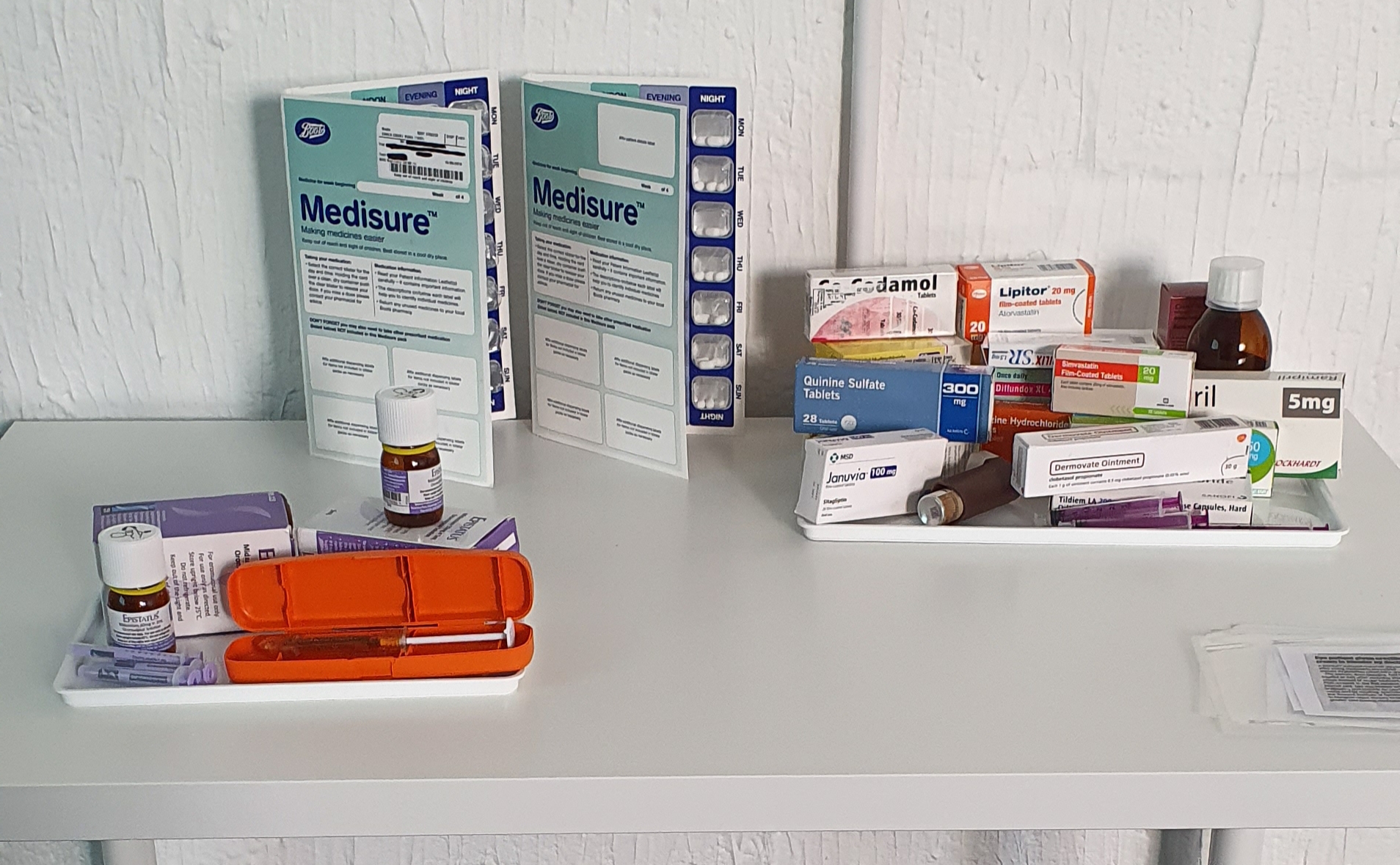
· Pharmacological Pain Management: Awareness of common pain medications, their uses and potential side effects.
· Medication Safety: Recognising adverse effects and understanding the importance of safe administration and monitoring.
· Person-Centred Care: Adapting assessment and support to individual needs, preferences and communication abilities.
· Reassessment and Documentation: Monitoring effectiveness, recording findings and communicating concerns.
· Recognising Red Flags: Identifying worsening pain, clinical deterioration and situations requiring escalation.
Key Learning Objectives
· By the end of this course, participants will be able to:
· Understand Pain: Identify common types of pain and explain how pain can affect an individual's wellbeing and daily activities.
· Recognise Pain: Identify physical, behavioural and emotional signs of pain, including in individuals with communication difficulties.
· Assess Pain: Describe and apply the PQRST approach and recognise when different pain assessment tools may be appropriate.
· Support Pain Management: Identify common pharmacological and non-pharmacological approaches to pain relief.
· Recognise Medication Risks: Identify important side effects associated with commonly used pain medications.
· Monitor and Reassess: Understand the importance of evaluating pain relief, documenting findings and reporting concerns.
· Recognise When to Escalate: Identify warning signs that require further clinical assessment or urgent intervention.
· Promote Person-Centred Care: Recognise the importance of individual preferences, communication needs, dignity and comfort.
Important Information About This Course
This is an introductory pain management course designed to develop knowledge, awareness and confidence.
Completing this course does not make participants experts or specialists in pain management, nor does it provide a clinical competency qualification.
Instead, it provides a foundation to help healthcare professionals and support workers:
Recognise when someone may be experiencing pain.
Ask appropriate questions and use basic pain assessment tools.
Understand how pain may present differently between individuals.
Recognise whether pain management interventions are effective.
Identify potential risks and warning signs.
Know when to seek advice or escalate concerns to an appropriate healthcare professional.
Participants should continue to work within their professional responsibilities, level of competence and organisational policies.
Who Should Attend?
· This course is suitable for individuals involved in providing care and support, including:
· Healthcare Assistants (HCAs)
· Support Workers
· Personal Assistants (PAs)
· Registered Nurses
· Nursing and Residential Care Home Staff
· Community Healthcare Workers
· Other healthcare professionals involved in supporting individuals experiencing pain
No previous specialist knowledge of pain management is required.
Teaching Methods
Training is delivered face-to-face in a supportive and interactive learning environment.
Our teaching methods include:
Tutor-led presentations and explanations.
Interactive discussions and opportunities to ask questions.
Demonstrations of pain assessment tools.
Practical exercises using the PQRST assessment approach.
Realistic patient scenarios exploring pain recognition, assessment and escalation.
Group discussions on medication safety and non-pharmacological interventions.
A short knowledge check to reinforce learning.
The emphasis is on helping participants understand how to apply their learning in everyday care situations.
Duration
2 Hours – Face-to-Face Training
Assessment
Participants' understanding is assessed through:
· Questions and answers throughout the session.
· Participation in pain assessment exercises.
· Scenario-based discussions.
· A short end-of-course knowledge check.
The assessment focuses on understanding and applying the principles of pain recognition, assessment and safe management.
Please note: This course does not assess clinical competency in medication administration or authorise participants to undertake procedures outside their professional role.
Certification
On successful completion of the course, participants will receive a Certificate of Training in Pain Management issued by EF Training & Consultancy Ltd.
The certificate will reflect the key topics covered, including pain recognition, assessment, management principles, medication safety and scenario-based learning.
Certificates are issued following successful completion of training and confirmation of payment.
A digital copy can be provided upon request at no additional charge.
Trainer
Training is delivered by experienced, practising healthcare professionals with relevant clinical knowledge and experience in patient assessment, pain recognition and safe care.
Our trainers bring real-world healthcare experience into the classroom, helping participants understand how the principles taught relate to everyday patient care.
Why Choose EF Training & Consultancy Ltd?
At EF Training & Consultancy Ltd, we believe that effective healthcare training should be practical, engaging and relevant to the people you care for.
We offer:
· Experienced Healthcare Trainers: Training delivered by practising healthcare professionals.
· Practical Learning: Realistic patient scenarios and assessment exercises.
· Small Group Training: Opportunities for discussion, questions and individual support.
· Supportive Environment: A friendly approach that encourages participation and confidence.
· Workplace-Relevant Knowledge: Training focused on recognising concerns and responding appropriately in everyday care.
· Face-to-Face Delivery: Interactive learning at our dedicated training facilities in Battersea, London.
Our focus is on helping participants leave the classroom with knowledge they can confidently apply within their role.
What to Bring
Participants are encouraged to bring:
A notebook and pen, if preferred.
Any questions or relevant workplace experiences they would like to discuss.
All necessary learning materials will be provided.
Book Your Place
Better pain recognition leads to better patient care.
You do not need to be a pain management specialist to make a positive difference to someone's comfort and wellbeing.
By improving your understanding of pain and learning how to recognise, assess and respond appropriately, you can help ensure that individuals receive timely, compassionate and person-centred support.
Join EF Training & Consultancy Ltd for our 2-hour Pain Management course and develop the knowledge and confidence to better support those in your care.Add your description here or enter / to see more options...